17 Signs You Might Have Parasites (Symptoms & Guide)
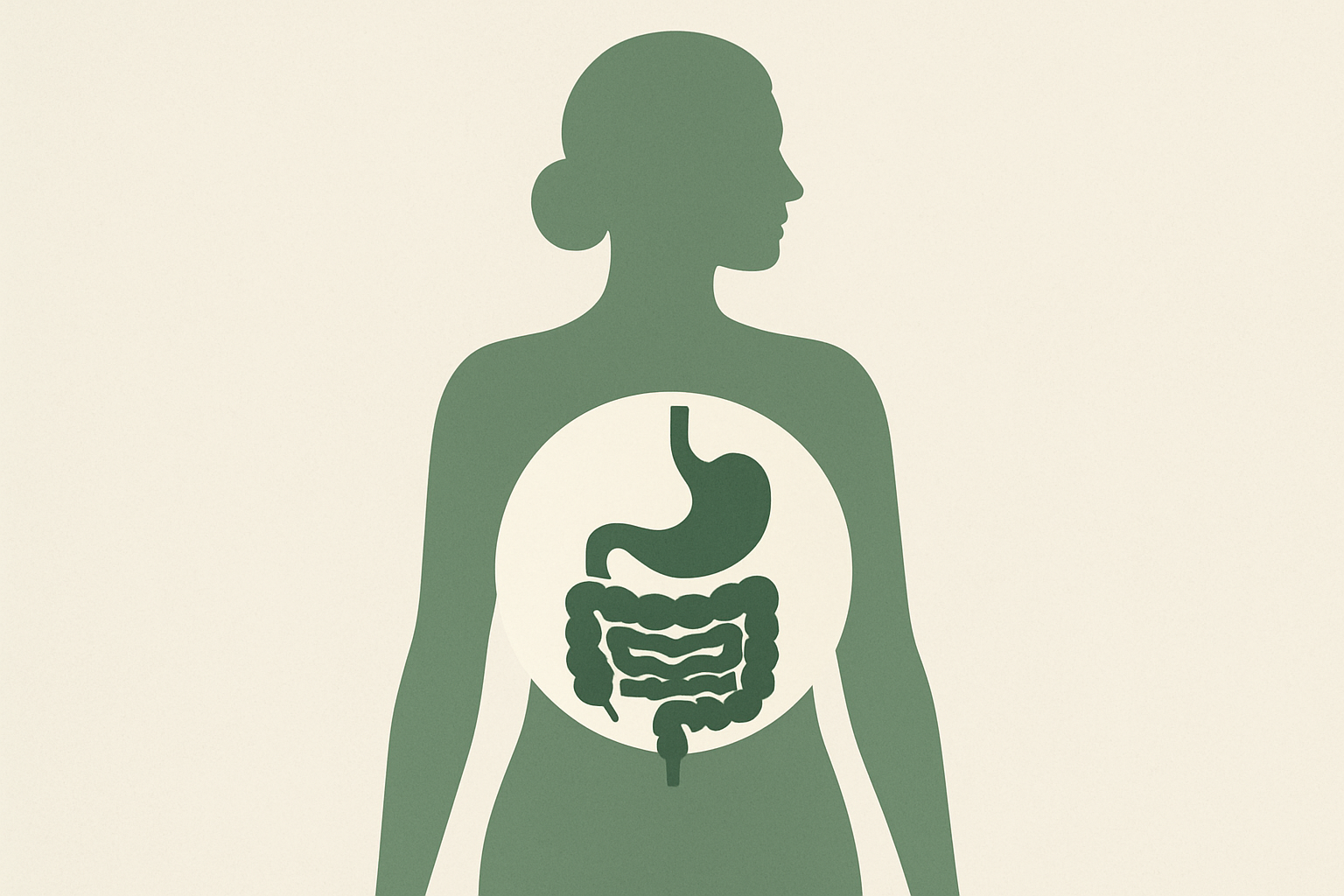
You might be surprised to learn that parasites are more common than most people think. In fact, research by Haque (2018), published in Antimicrobial Resistance and Infection Control, highlights that parasitic infections are a significant global health issue, with substantial prevalence even in developed nations like the US and Europe. The CDC currently identifies several "neglected parasitic infections" (NPIs) that affect millions of individuals in the United States alone. These uninvited guests can cause a wide range of symptoms that often get misdiagnosed or attributed to other conditions.
The tricky part? Many symptoms of parasitic infection mimic everyday health issues like fatigue, bloating, and skin problems. That's why recognizing the signs is the first step toward taking control of your health.
What Exactly Is a Parasite?
A parasite is any organism that lives off another organism (its host) to survive. In humans, the most common types are intestinal parasites like roundworms, tapeworms, protozoa, and flukes.
These microscopic intruders can enter your body through contaminated food and water, undercooked meat, poor hygiene, or contact with infected soil. Once inside, they can reproduce and release toxins as they feed on your nutrients—often for years before symptoms become noticeable.
The 17 Signs You Might Have Parasites
1. Chronic Fatigue
If you're constantly exhausted despite getting 7-8 hours of sleep, it could be a sign. Parasites feed on the nutrients your body needs for energy.
2. Unexplained Weight Changes
Sudden weight loss or inability to lose weight despite diet and exercise can signal a parasitic infection.
3. Bloating and Gas
Persistent abdominal distension, especially after meals, is one of the most common signs of intestinal parasites.
4. Irregular Bowel Movements
Experiencing constipation, diarrhea, or alternating between the two? Parasites can inflame the intestinal lining.
5. Strong Cravings for Sugary Foods
Parasites thrive on sugar. If you find yourself constantly reaching for sweets, they might be calling for more fuel.
6. Iron Deficiency or Anemia
Certain parasites feed on blood, specifically targeting the iron-rich lining of the intestines.
7. Skin Issues That Won't Resolve
Hives, rashes, eczema, and unexplained itching can all be signs of parasitic toxins manifesting as skin problems.
8. Joint and Muscle Pain
Parasites can migrate through the body and settle in joints, causing pain mistaken for arthritis.
9. Teeth Grinding (Bruxism)
Teeth grinding during sleep is a common neurological symptom of parasitic infection, especially in children.
10. Weak Immunity
If you catch every cold that goes around, parasites may be compromising your immune system by stealing vital nutrients.
11. Brain Fog
Toxins can affect cognitive function, leading to poor memory and difficulty focusing.
12. Food Sensitivities
New sensitivities to foods you previously tolerated well can indicate gut damage from parasites.
13. Rectal Itching
Persistent itching, especially at night, is a classic sign of pinworms.
14. Chronic Bad Breath
Foul-smelling breath may stem from parasitic overgrowth in the digestive system.
15. Trouble Sleeping
Parasites are often more active at night, disrupting sleep patterns and causing insomnia.
16. Hormonal Imbalances
Parasites can interfere with hormone regulation, leading to irregular cycles or thyroid issues.
17. Unexplained Anxiety
The gut-brain connection is real. Parasitic toxins can affect neurotransmitter production and mood.
Ready to start your reset?
Join the Clenzara Pro App waitlist for personalized protocols and 30-day support.
Join the Waitlist →Natural Support for Parasite Cleansing
If you suspect a parasitic infection, here's how to support your body:
1. Clean Up Your Diet
- Eliminate sugar and processed foods
- Increase fiber intake
- Add anti-parasitic foods like garlic and pumpkin seeds
2. Targeted Supplement Protocol
Key ingredients include Wormwood, Berberine, and Serrapeptase (a powerful biofilm disruptor).
The Bottom Line
Recognizing the signs is the first step. With the right knowledge and a targeted cleansing approach, you can take control of your gut health and feel like yourself again.